Anúncios
For Brazilian consumers, saving R$ 300 a month in 2025 is entirely feasible by focusing on bargains and optimizing essential services such as telecommunications, energy and transportation, ensuring a positive impact on the household budget.
Anúncios
Have you ever imagined how your financial life could change if you could save R$ 300 a month in 2025? For many Brazilians, that amount makes a significant difference, whether for building an emergency fund, investing or making dreams come true. This article will detail bargain opportunities in essential services, showing that, with planning and attention, it’s possible to optimize your spending and reach this goal.
Anúncios
Adjusting the household budget: first steps to saving
Before we dive into bargains on services, it’s crucial to understand the importance of a well-structured budget. Without knowing where your money is going, it becomes almost impossible to identify areas to cut. The first step to save R$ 300 a month is to get clarity on your finances. That means recording all income and expenses, no matter how small.
We often underestimate the small daily expenses that, added together, represent a considerable slice of our budget. The daily coffee, the small impulse purchase or bank fees that go unnoticed can be the hidden villains. By visualizing these expenses, you’ll be armed with information to make more mindful decisions and start directing your resources more wisely. The goal is to create a financial map that reveals where changes can be most effective.
Identifying invisible and unnecessary expenses
- Unused subscriptions: Review all your streaming services, gyms, software and other subscriptions. Cancel what you don’t use regularly.
- Small impulse purchases: Track spending on snacks, drinks and convenience items. Calculate the monthly impact of these habits.
- Bank fees: Check whether your bank offers free essential service packages or whether there are lower-cost alternatives.
Once invisible and unnecessary expenses are identified, negotiating and looking for alternatives becomes simpler. The focus should be on maintaining your quality of life, but without waste. Small changes in habits, such as making lunch at home or bringing your own water bottle, can generate surprising savings over the month. Discipline is the key to turning these small actions into substantial savings.
In conclusion, adjusting the household budget isn’t just about cutting expenses, but about optimizing how money is used. With a detailed analysis and the elimination of unnecessary expenses, you’ll be on the right track to save R$ 300 a month and gain much more effective control over your finances. Awareness is the first and most important step.
Telecommunications: hunting for the best internet and cell phone deals
In today’s world, telecommunications services are essential, but they also represent one of the biggest opportunities to save R$ 300 a month. Internet, mobile phone and pay TV plans are constantly evolving, and competition among carriers is fierce, which benefits savvy consumers. Don’t settle for your current plan just out of convenience, because new and better offers come up all the time.
The key to finding the best bargains is research and negotiation. Many carriers offer exclusive promotions for new customers or bundles that can significantly reduce the total cost. In addition, loyalty isn’t always rewarded; threatening to cancel or switch to a competitor can often lead to a better counteroffer from your current carrier. Assess your real needs for data, speed and TV channels so you don’t pay for something you don’t use.
Strategies to reduce telecommunications costs
- Compare plans: Use online comparison tools to analyze offers from different carriers in your area.
- Negotiate with your current carrier: Get in touch and ask about cheaper plans or promotions for existing customers.
- Consider bundles: Consider bundling internet, mobile and TV with the same carrier to get discounts.
- Reduce data usage: Use Wi-Fi whenever possible and monitor your mobile data usage to avoid more expensive plans.
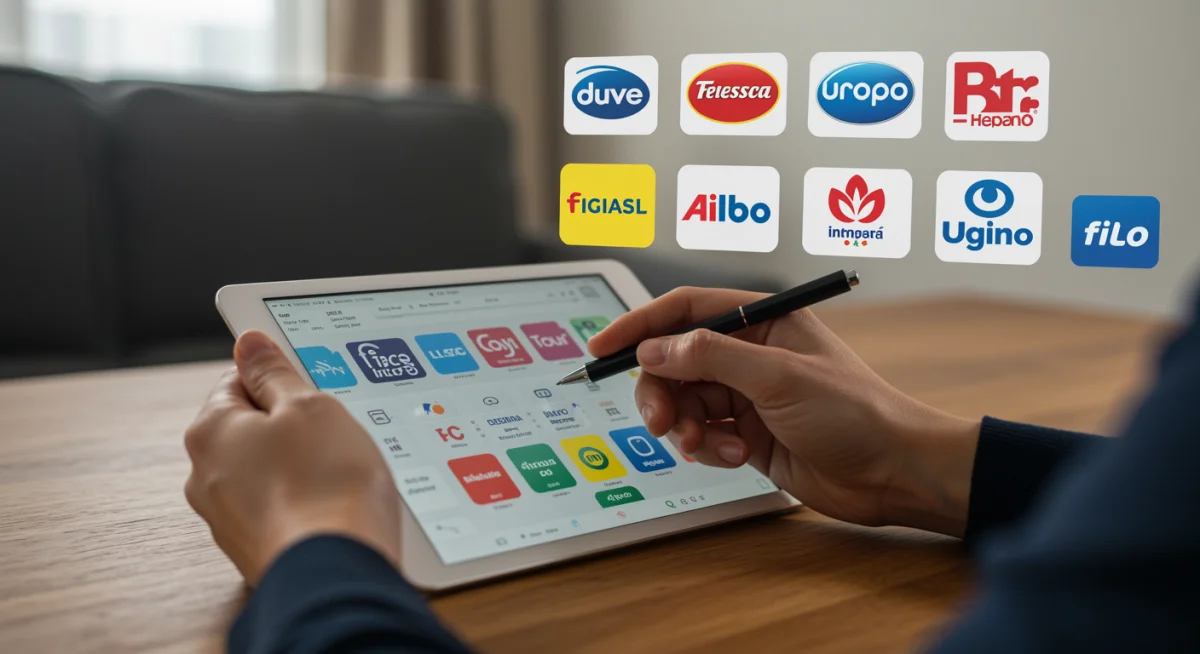
In addition to negotiating directly, number portability is a powerful tool. Knowing that you can take your number to another carrier without excessive red tape gives you more bargaining power. Many carriers offer bonus data or special discounts to customers who switch. Also keep an eye on Black Friday promotions, carrier anniversaries and other special dates, which often feature unmissable deals.
In short, saving on telecommunications requires being proactive. By comparing, negotiating and being open to change, you can easily save R$ 300 a month, reallocating those resources to other financial priorities. Remember that the market is dynamic, and today’s best offer may not be tomorrow’s, so periodic reviews are essential.
Electricity: tips to lower your bill and your environmental impact
The electricity bill is one of the heaviest fixed expenses for many Brazilian households, and finding ways to reduce it is an excellent way to save R$ 300 a month. Beyond the financial benefit, saving energy contributes to environmental sustainability, making this a goal with a double positive impact. Small changes in habits and a few adjustments around the house can produce surprising results.
Start by identifying the biggest energy consumers in your home. Old appliances, electric showers and devices on standby are well-known culprits. Replacing incandescent bulbs with LEDs, for example, is a simple measure with a quick payback. In addition, making sure every family member is aware of using energy wisely is essential to ensure that the effort translates into real savings on the bill. Mindful consumption is a pillar of financial and environmental sustainability.
Efficient practices to save energy
- Lighting: Swap incandescent bulbs for LEDs and make the most of natural light.
- Electric shower: Take shorter showers and use the “summer” setting when possible.
- Appliances: Run the washing machine and dishwasher only with full loads and avoid opening the refrigerator unnecessarily.
- Standby: Unplug devices that aren’t in use, since standby mode still consumes energy.
- Air conditioning: Keep the temperature at comfortable levels (23°C) and clean the filters regularly.
Preventive maintenance of appliances also plays an important role. A refrigerator with a worn door seal or an air conditioner with a dirty filter uses more energy to run. Investing in new appliances with a Procel “A” energy rating may have an upfront cost, but the long-term savings pay off, especially if you’re looking to save R$ 300 a month consistently. Paying attention to details and adopting more efficient habits are essential to seeing a difference on your electricity bill.
Therefore, saving electricity is an effective strategy to improve your budget and contribute to a more sustainable future. With a little planning and discipline, it’s perfectly possible to significantly reduce your electricity bill, freeing up resources for other needs or investments. Simple but consistent actions are the secret to success.
Transportation: smart alternatives to reduce commuting costs
Transportation costs can eat up a considerable part of the monthly budget, but there are many opportunities to save R$ 300 a month in this area. Whether you drive your own car or use public transit or ride-hailing apps, there are always ways to optimize your trips and reduce expenses. The key is to analyze your habits and be open to new modes or combinations of transportation.
For drivers, preventive maintenance, proper tire inflation and an efficient driving style (avoiding sudden acceleration and braking) can affect fuel consumption. In addition, consider carpooling or using public transportation for certain trips. For public transit users, buying monthly passes or integrated tickets can be cheaper than paying per ride. Analyzing the best route and planning around peak hours can also save time and money.
Affordable and sustainable transportation options
- Public transportation: Use buses, the subway or trains. Consider monthly passes or integrated tickets.
- Carpooling: Split fuel and parking costs with coworkers or neighbors.
- Cycling or walking: For short distances, these are healthy, free options.
- Ride-hailing apps: Compare prices across different apps and avoid peak hours.
- Vehicle maintenance: Keep your car serviced to ensure fuel efficiency.
Another strategy to save R$ 300 a month on transportation is to reconsider whether you need to own a car at all, especially in large urban centers where the costs of IPVA (vehicle tax), insurance, fuel and parking are high. Car-sharing apps or short-term rentals can be better alternatives for those who use a vehicle only occasionally. In addition, the growing popularity of e-bikes and shared scooters offers flexible, eco-friendly options for short trips.
In short, saving on transportation doesn’t come down to a single solution, but to a combination of smart habits and choices. By diversifying how you get around and optimizing the use of your vehicle, you can achieve a significant reduction in spending, freeing up valuable resources for other areas of your budget. Flexibility and research are your greatest allies on this journey.
Food: smart shopping and cooking at home to save
Food is one of the biggest expenses for most families and therefore offers plenty of room to save R$ 300 a month. Controlling spending on groceries and meals out is a fundamental step toward reaching your savings goal. With a little planning and discipline, you can eat well without straining your budget.
Start with your shopping list. Planning the week’s meals and making a detailed list before going to the supermarket prevents impulse buys and ensures you only buy what you need. Choose seasonal products, which are usually cheaper and fresher. In addition, compare prices across different stores and consider buying items in bulk to save. Cooking at home is undoubtedly one of the most effective ways to control food spending. Home-cooked meals are generally healthier and much cheaper than eating out or ordering delivery.
Strategies to save on food
- Meal planning: Create a weekly menu to avoid waste and unnecessary purchases.
- Shopping list: Go to the supermarket with a list and stick to it.
- Seasonal products: Choose fruits and vegetables that are in season, since they’re cheaper.
- Cook at home: Drastically cut down on meals out and delivery orders.
- Take advantage of promotions: Keep an eye out for deals and use discount coupons.
Another valuable tip is to avoid going to the supermarket hungry, as this increases the likelihood of impulse buys. Also consider growing a small garden at home, even if it’s just herbs and a few vegetables. This not only saves money but also guarantees fresh, organic food. Using leftovers to create new recipes is an age-old and very efficient practice to reduce waste and save R$ 300 a month.
In short, saving on food is an essential pillar for anyone looking to optimize their budget. With planning, smart shopping and the habit of cooking at home, it’s possible to enjoy quality food without overspending. Besides being financially beneficial, these practices promote a healthier, more mindful lifestyle.
Banking and financial services: reducing fees and optimizing investments
Banking and financial services, although indispensable, can be a source of hidden expenses that make it harder to save R$ 300 a month. Account maintenance fees, transaction fees, annual credit card fees and high interest rates are some of the costs that can be minimized with more attentive and informed financial management. It’s essential to review your statements periodically and understand exactly what you’re paying for.
The first and most important action is to look for digital bank alternatives or essential-services accounts, which offer most basic services for free. Many traditional banks also have free or low-fee basic service packages. Negotiating your credit card’s annual fee or looking for no-annual-fee cards is another effective strategy. In addition, paying attention to interest rates on loans and financing is crucial. If you have debt, renegotiating or transferring it to institutions with lower interest can generate substantial savings.
How to optimize banking and financial expenses
- Digital accounts: Choose digital banks that offer free services or essential service packages.
- Negotiate fees: Talk to your account manager about reducing or waiving fees and annual credit card fees.
- Avoid interest: Pay your credit card statement in full and avoid dipping into your overdraft.
- Debt portability: Transfer loans and financing to banks with lower interest rates.
- Investments: Look for platforms with reduced or no brokerage and management fees.
For those who already invest, paying attention to management and brokerage fees is vital. Small percentages can erode part of your long-term returns. Consider investment platforms that offer more competitive fees or even none for certain products. Financial literacy is a powerful tool to save R$ 300 a month and make your money go further. Understanding where and how your money is being invested or spent at financial institutions can make a big difference to your final balance.
In conclusion, smart management of banking and financial services is an essential component of a healthy budget. By minimizing unnecessary fees and optimizing how you handle your money, you can free up a significant amount of resources that were previously lost to bank charges. Being proactive and doing your research are the best tools to make sure your money works for you.
Leisure and entertainment: having fun without spending a lot
Even while trying to save R$ 300 a month, it’s essential not to give up leisure and entertainment, as they contribute to well-being and quality of life. The key is finding creative, affordable alternatives that provide fun without straining your budget. With a little planning, you can enjoy your free time without spending a fortune.
Start by exploring the free or low-cost options your city offers. Parks, plazas, museums with free admission on certain days, cultural events and street fairs are excellent alternatives. A movie night at home, with popcorn and a good film, can be as fun as going to the movies, and much cheaper. Also consider swapping paid activities for get-togethers with friends at home, board games or picnics. Creativity is your greatest ally in finding ways to have fun without hurting your wallet.
Budget-friendly leisure ideas
- Outdoor activities: Visit parks, beaches and trails, and explore nature.
- Free cultural events: Keep an eye out for free concerts, exhibitions and plays.
- Themed nights at home: Organize dinners, movie nights or game nights with friends and family.
- Libraries and used bookstores: Borrow books, movies and games for free or buy them at affordable prices.
- Free courses and workshops: Many institutions offer cultural and educational activities at no cost.
Another tip is to take advantage of promotions and loyalty programs. Many businesses offer discounts on certain days of the week or for registered customers. Memberships in perks clubs or discount cards can pay off at restaurants, movie theaters and other attractions. The important thing is not to let the effort to save R$ 300 a month become a burden. Leisure is essential for recharging and staying motivated to keep pursuing your financial goals.
In short, leisure and entertainment don’t have to mean high spending. With a keen eye for opportunities and a bit of creativity, you can enjoy fun and relaxing moments on a budget. By building these practices into your daily life, you not only save money but also discover new ways to enjoy life.
Planning for 2025: how to stay disciplined and focused on saving
Reaching the goal to save R$ 300 a month in 2025 takes more than just spotting bargains; it requires discipline, ongoing planning and the ability to adapt. Financial planning isn’t a one-time event, but a continuous process that should be reviewed and adjusted periodically. To stay focused, it’s essential to have clear goals and track your progress regularly.
Set specific financial goals for the money you save. It could be an emergency fund, a major purchase, a trip or an investment. Having a purpose for your savings is a powerful motivator. Use financial tracking tools, such as spreadsheets or apps, to record your expenses and track your savings. Seeing your progress can be a great incentive and helps you quickly spot deviations from your budget. Sharing your goals with your family can also create a sense of collective responsibility, where everyone contributes to the common goal.
Tools and habits to stay disciplined
- Clear goals: Decide what you’ll do with the money you save to stay motivated.
- Regular tracking: Use apps or spreadsheets to monitor spending and savings.
- Periodic review: Adjust your budget and strategies every 3 or 6 months.
- Reward yourself: Celebrate small wins to keep your spirits up.
- Financial literacy: Keep learning about personal finance to make better decisions.
Resilience is another important factor. There will be months when it’s harder to save R$ 300 a month, whether due to unexpected expenses or temptations. In those moments, it’s crucial not to get discouraged, but to learn from the setbacks and regain focus. Small slip-ups don’t cancel out all your progress. In addition, always look for new ways to save and optimize your spending, because the market and your needs are constantly changing. Ongoing financial education is an investment that always pays off.
In conclusion, planning and discipline are the pillars for making sure that saving R$ 300 a month becomes a sustainable reality in 2025 and the years that follow. With clear goals, effective tracking and an adaptable mindset, you’ll be in control of your finances, building a safer and more prosperous financial future. The savings journey is a steady, step-by-step process that rewards you with every advance.
| Savings Area | Top Tip |
|---|---|
| Telecommunications | Compare and negotiate internet and cell phone plans every year. |
| Electricity | Adopt mindful consumption habits and switch to LED bulbs. |
| Food | Cook at home more and shop with a list and a plan. |
| Transportation | Use public transportation or carpooling more often. |
Frequently asked questions about how to save R$ 300 a month
Yes, it’s entirely possible. With a detailed analysis of your current expenses, negotiation with service providers such as telecom companies, and more mindful consumption habits for energy, transportation and food, the goal of saving R$ 300 a month is quite realistic for most Brazilians.
Telecommunications (internet, mobile, TV), electricity, transportation and food are the areas that generally offer the biggest margins for savings. Small changes in these areas can have a significant impact on the monthly budget, helping you reach the goal of saving R$ 300.
Research competitors’ offers, call your current provider and mention that you’re interested in canceling or changing plans. They will often make a better counteroffer to keep you as a customer. Number portability is also an excellent negotiating tool to save R$ 300 a month.
Yes, many personal finance apps, such as GuiaBolso, Mobills or Organizze, let you record and categorize expenses, and they offer reports and charts that help you see where your money is going. They’re great allies for identifying where to cut back and save R$ 300 a month.
You don’t have to give up leisure. The secret is to look for affordable and free alternatives, such as parks, free cultural events or get-togethers at home. Leisure is important for well-being and motivation, and there are many ways to have fun without compromising your goal to save R$ 300 a month.
Conclusion: the path to a more prosperous financial life in 2025
The journey to save R$ 300 a month in 2025, focusing on bargains and optimizing essential services, is an achievable and transformative goal for Brazilian consumers. As we’ve explored, from renegotiating telecom plans and adopting mindful energy habits to meal planning and smart management of financial services, every area offers concrete savings opportunities. Leisure, in turn, can and should be maintained in creative, affordable ways, ensuring well-being without throwing off your budget. The key to success lies in combining planning, discipline and a proactive attitude in seeking out the best deals and practices. By adopting these strategies, you not only reach your savings goal but also build a solid foundation for a more stable and prosperous financial life, making it possible to fulfill dreams and build a safer future. Saving is a habit that, once cultivated, bears lasting fruit.