Anúncios
With the new energy rates for 2025, it’s crucial for Brazilian families to adopt effective strategies to save up to 15% on their utility bills, optimizing the household budget and promoting conscious use of resources.
Anúncios
The changes to energy rates in 2025 represent both a challenge and an opportunity for Brazilian families. This practical guide details how it’s possible to save 15% on utility bills in 2025 with the new energy rates in Brazil, turning these adjustments into a real opportunity for budget optimization and sustainability.
Anúncios
Understanding the New Energy Rates in 2025
Energy rates in Brazil are adjusted periodically, and 2025 will bring changes that will directly affect consumers’ wallets. Understanding the structure of these new rates is the first step toward developing effective savings strategies. Adjustments are generally influenced by factors such as inflation, energy generation and transmission costs, and investments in the electricity sector.
It’s essential to be aware of the tariff flags, which can signal additional costs depending on water conditions and the need to turn on thermal power plants. In 2025, the National Electric Energy Agency (ANEEL) is expected to keep refining its pricing mechanisms to reflect market reality and encourage conscious consumption. Understanding how these components affect your bill is crucial to planning your actions.
What’s changing in energy bills?
The changes may include percentage increases in rates, modifications to the billing structure (such as division into consumption tiers) or even incentives for using renewable sources. Families who get ahead and learn about these changes will have a significant advantage.
- Annual adjustments: Keep an eye on ANEEL’s announcements about adjustment rates.
- Tariff flags: Learn how they work and when they’re triggered to avoid surprises.
- Efficiency incentives: Some rates may offer discounts for those who adopt sustainable practices.
In short, the new energy rates in 2025 will require extra attention from Brazilian families. Detailed information about these adjustments lets you not only anticipate the impact, but also take proactive measures to reduce costs and actually generate savings.
Home Energy Audit: Where to Start Saving
Before implementing any savings measure, it’s essential to know exactly where your money is going. A home energy audit is a simple but powerful process that lets you identify the biggest energy hogs in your home. This initial survey is the foundation of any plan to cut energy costs.
Start by analyzing your energy bills from the last 12 months. Look at the months with the highest consumption and try to correlate them with the use of certain appliances or habits. Ask yourself: “What changed during this period?” or “Which appliances were used most?” This exercise can reveal consumption patterns that previously went unnoticed. A well-done energy audit not only points out the problem but also suggests the best solutions.
Identifying the biggest consumers
Old appliances, incandescent bulbs and devices on standby are often the culprits behind excessive consumption. Make a list of all the electronic and electrical devices in your home, noting each one’s power rating (usually given in watts or kW) and its average daily usage time.
- Refrigerator and freezer: Check the door seal and the internal temperature.
- Electric shower: Take shorter showers and avoid the ‘winter’ setting on mild days.
- Air conditioning: Clean the filters regularly and set the thermostat to moderate temperatures.
- Light bulbs: Replace incandescent bulbs with LEDs.
At the end of the audit, you’ll have a clear picture of where your energy is being consumed. This will let you focus your savings efforts on the most critical points, making sure every measure you take brings the maximum return. An energy audit is the compass that will guide your journey to save 15% on utility bills in 2025.
Strategies to Reduce Electricity Consumption
With the new energy rates in sight, implementing effective strategies to reduce electricity consumption becomes even more crucial. Small changes in habits and a few smart investments can generate significant savings, helping families reach the goal of a 15% reduction in their bills. The key is consistency and awareness on the part of everyone in the household.
One of the most effective strategies is replacing old equipment with more efficient models. Appliances with the Procel A seal, for example, use less energy and, although they represent an upfront investment, the return in electricity bill savings is guaranteed in the medium and long term. In addition, regular maintenance of appliances such as air conditioners and refrigerators also contributes to energy efficiency.
Practical everyday tips
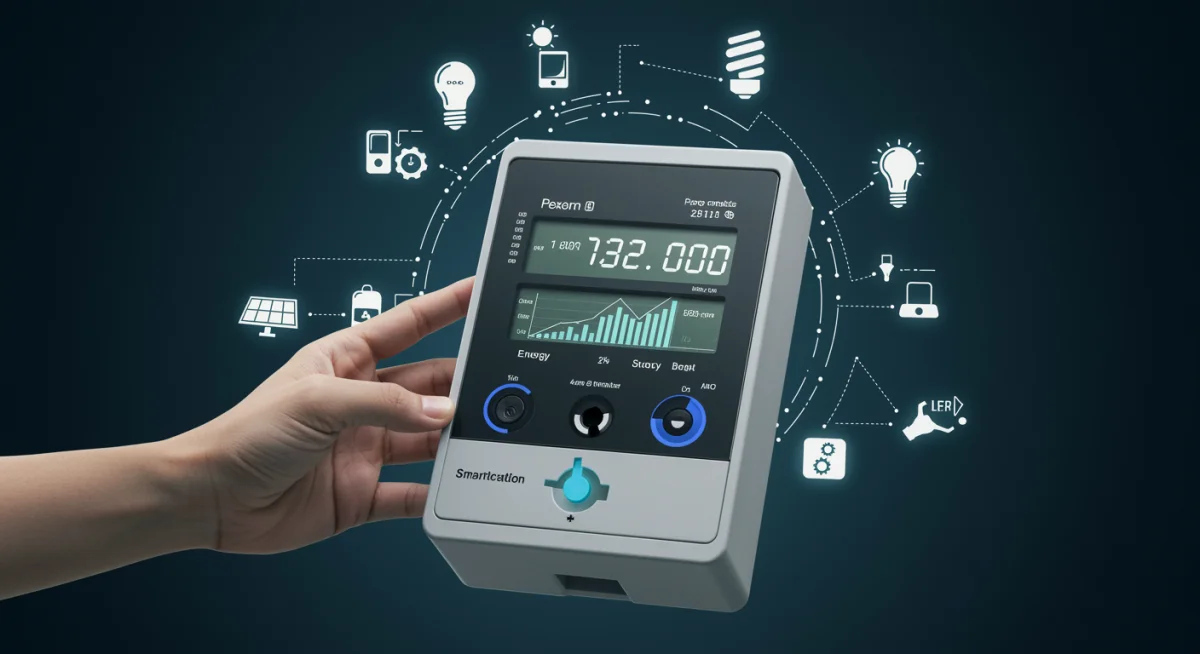
Adopting simple habits can make a big difference. Turning off the lights when you leave a room, unplugging devices when they’re not in use (avoiding standby consumption) and making the most of natural light are examples of actions that, added together, have an impact.
- Lighting: Prioritize LED bulbs and use natural light whenever possible.
- Appliances: Use the washing machine and iron during periods of lower demand (off-peak hours, if your rate has that distinction).
- Shower: Take shorter showers and set the temperature to “summer” or “warm” mode when the weather allows.
- Air conditioning: Keep the temperature around 23°C and clean the filters periodically.
Awareness and behavior change are pillars of success in reducing electricity consumption. By implementing these strategies, families will not only see their bills go down but will also contribute to a more sustainable future, reinforcing the goal to save 15% on utility bills in 2025.
Taking Advantage of Energy Efficiency Programs and Solar Power
Beyond changing habits and replacing appliances, Brazilian families have access to energy efficiency programs and the growing viability of solar photovoltaic power. These options represent a long-term investment, but with savings potential far greater than the 15% initially proposed, and in some cases they can even bring the electricity bill down to zero.
Many electricity distributors offer programs to swap incandescent bulbs for LEDs, or even old refrigerators for newer, more efficient models, on easy terms. Keeping an eye on these programs can be an excellent starting point for modernizing your home without a large upfront outlay. In addition, the government and some financial institutions offer specific credit lines for energy efficiency projects.
Investing in solar photovoltaic power
Solar power is no longer exclusive to large companies and government projects. With falling installation costs and tax incentives, such as the ICMS exemption in some regions, installing residential solar panels has become a viable option for many families. Surplus energy generated can be fed into the grid and converted into credits that offset future consumption, resulting in significantly lower electricity bills.
- Return on investment: The payback period for residential solar has been shrinking, making it more attractive.
- Property value: Homes with solar power are more valued on the market.
- Sustainability: It helps reduce your carbon footprint and benefits the environment.
- Energy independence: Less dependence on fluctuations in the distributor’s rates.
Considering solar power and energy efficiency programs is a strategic step for anyone seeking substantial, lasting savings. These solutions not only help you save 15% on utility bills in 2025, but also position your family for a more sustainable and financially smart future, minimizing the impact of the new rates.
Negotiating and Reevaluating Service Plans
Families often pay more than they should simply because they don’t reevaluate their service plans with their providers. In 2025, with new energy rates arriving, this is the ideal time to talk to your distributor and check whether there are better options for your consumption profile. Negotiation can be a powerful tool to save 15% on utility bills.
Don’t limit yourself to electricity. Also review your internet, phone, cable TV and even water plans. Often, by bundling services or showing interest in switching to another provider, you can get significant discounts or packages with more benefits for the same price, or even for less. Competition between companies is something consumers can and should use to their advantage.
Reviewing contracts and offers
Before negotiating, have your current contracts and latest bills on hand. Research other companies’ offers and be prepared to present this information during the negotiation. Knowing your real consumption needs is essential so you don’t accept a plan that doesn’t fit or that offers more than you really need.
- Energy services: Check whether time-of-use rates or prepaid plans are available in your region.
- Telecommunications: Compare internet, phone and TV packages. Loyalty is often rewarded with better offers.
- Water and gas: Although they’re less flexible, check whether there are conscious-use programs or social rates you might qualify for.
Periodically reevaluating your service plans is a smart practice that can yield considerable savings. Don’t be afraid to negotiate and seek the best terms for your family. By being proactive, you can adapt to the new energy rates and make sure your home always has the best service and cost conditions, contributing to your savings goal.
Family Education and Awareness About Conscious Consumption
Saving on utility bills isn’t the responsibility of just one person in the household; it’s a collective effort. Educating all family members and raising their awareness about conscious consumption is essential to reaching and maintaining the goal to save 15% on utility bills in 2025. When everyone is engaged, the results are more significant and longer-lasting.
Encouraging open discussions about the importance of saving energy and water, and explaining how each individual action affects the family budget and the environment, can create a sense of shared responsibility. Children and teenagers, in particular, respond well to challenges and goals, and can become great allies in the push for more efficient consumption. Make saving a game or a healthy competition.
Engaging every family member
Create a family action plan, with clear responsibilities for each person. For example, assign one member to monitor light usage, another to check for devices on standby, and so on. Seeing the results, such as a lower electricity bill, is a strong motivator to keep up the good practices.
- Family meetings: Hold regular get-togethers to discuss consumption and savings goals.
- Bulletin boards: Use a board to post savings tips and the bill’s monthly progress.
- Rewards: Set small rewards for the family when savings goals are reached.
- Lead by example: Parents should be the main role models, demonstrating conscious consumption practices day to day.
Family awareness turns saving from an obligation into a shared value. By investing time in educating and engaging everyone, families will not only manage to save 15% on utility bills in 2025, but will also build sustainable habits that will benefit their home and the planet for many years.
| Key Point | Brief Description |
|---|---|
| Understand the New Rates | Learn about ANEEL’s adjustments and the impact of tariff flags to plan your savings. |
| Energy Audit | Identify the highest-consuming appliances to focus your cost-cutting strategies. |
| Efficiency and Sustainability | Adopt LED bulbs and efficient appliances, and consider solar photovoltaic power. |
| Plan Negotiation | Reevaluate and negotiate energy and other service contracts to get better terms. |
Frequently Asked Questions About Saving on Utilities in 2025
Energy rates in 2025 may see annual adjustments based on inflation and electricity sector costs, as well as possible changes to the tariff flags. It’s crucial to follow announcements from ANEEL and your local distributors to understand the specific impact in your region and plan your savings.
An energy audit lets you identify which appliances and consumption habits are most responsible for excessive energy spending. By mapping these points, you can direct your savings efforts where they’ll have the greatest impact, making your strategies more efficient and personalized.
Yes, it’s entirely possible to save 15% or more. By combining conscious habits, replacing old equipment with more efficient models, taking advantage of energy efficiency programs and, if feasible, investing in solar power, families can reach and even exceed this goal.
Investing in residential solar power offers many benefits, such as a significant reduction in, or even elimination of, your electricity bill, increased property value, less dependence on rate fluctuations and a positive contribution to the environment. The return on investment has become increasingly attractive.
Getting your family involved in conscious consumption involves communication, education and setting shared goals. Hold family meetings to discuss the importance of saving, assign responsibilities, use bulletin boards to track progress and celebrate achievements to keep everyone motivated.
Conclusion
In the face of the new energy rates in 2025, the challenge of saving 15% on utility bills may seem big, but the opportunities are even bigger. With information, planning and coordinated action, Brazilian families have all the tools not only to soften the impact of the rate increases, but also to turn their homes into hubs of efficiency and sustainability. By adopting the strategies presented here – from the energy audit and changing habits to investing in technologies like solar power and negotiating plans – it’s possible to secure a more financially comfortable and environmentally responsible future.