Anúncios
With planning and simple changes in habits, it’s entirely possible to save R$ 150 on your water bill in three months by adopting conscious practices that benefit both your wallet and the environment.
Anúncios
Have you ever stopped to think about how much your water bill impacts your household budget? Small leaks and careless usage habits can often turn into big expenses. But the good news is that, with the right strategies, you can save R$ 150 in 3 months: Proven strategies to lower your water bill in 2025, turning those savings into significant relief for your wallet.
Anúncios
Understanding Household Water Use
To start saving, the first step is understanding where water is used most in your home. Many people underestimate the impact of routine activities, like long showers or inefficient flushing, on their total bill. By identifying the main culprits, it becomes easier to focus your efforts on the areas that will bring the greatest return.
Awareness of water use isn’t just a financial issue, but an environmental one too. With growing concern about water resources, every drop saved makes a difference. Reviewing your bill’s usage history can reveal spikes and patterns that point to opportunities for improvement.
Where Does the Water Go? Mapping Your Usage
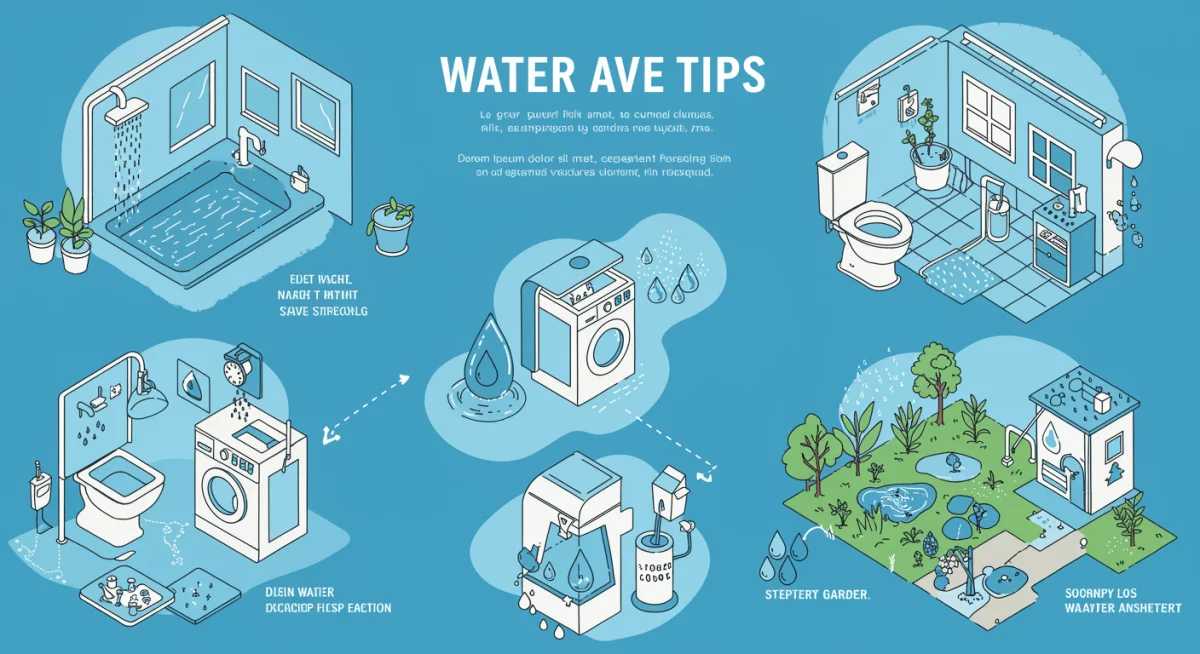
Most Brazilian households use the largest share of their water in the bathroom, followed by the kitchen and laundry room. Understanding this breakdown is crucial for focusing your saving efforts.
- Bathroom: Long showers and inefficient flushing are the biggest consumers.
- Kitchen: Washing dishes with the faucet running and using excess water to thaw food.
- Laundry room: Washing machines on cycles unsuited to the load size, and leaks.
Beyond the usual areas, water used for gardens and pools can also account for a considerable share of total consumption. Reviewing irrigation systems and covering pools are measures that, while they may seem small, have a positive impact at the end of the month. With every use, consider whether there’s a more efficient alternative or whether the task can be done with less water.
Analyzing water use in your home is the starting point for any effective savings strategy. By knowing the details of where and how water is used, you can implement targeted actions that will bring visible results on your bill in a short time. This in-depth understanding allows for a smarter approach that’s less based on guesswork, ensuring your saving efforts are well invested.
Detecting and Repairing Hidden Leaks
Leaks are the great silent thieves of your water bill. Small drips or seepage can waste thousands of liters a month without you noticing. Early detection and quick repairs are essential to keep your R$ 150 savings in 3 months from being undermined by unnecessary losses.
Leaks often aren’t visible to the naked eye, being hidden inside walls, underground, or in water tanks. That’s why it’s important to run periodic tests and watch for any sign that might indicate a problem, such as damp patches or strange noises in the pipes.
A simple test is to shut off the main water valve and watch the water meter. If it keeps turning, there’s a leak. Other checks can be done on toilets, faucets, and showers, which are common sources of waste.
How to Identify Common Leaks
There are simple methods anyone can use to check for leaks at home, without the need for specialized equipment.
- Toilet: Put a little food coloring in the tank. If the water in the bowl changes color without flushing, there’s a leak.
- Faucets and Showers: Check for constant dripping, even when they’re turned off. Sometimes replacing a simple washer solves the problem.
- Water Meter: Write down the meter reading before going to bed and check it again in the morning, without having used any water overnight. If the number has changed, there’s a leak.
Once you identify a leak, it should be repaired as soon as possible. In more complex cases, such as underground or in-wall leaks, hiring a specialized professional is the best option. The cost of the repair is usually far less than the value of the water that would be wasted over time. Investing in preventive maintenance of your plumbing is a smart move that protects both your budget and the environment.
Constant attention to signs of leaks and prompt action to repair them are crucial to keeping your water bill under control. Leaks, however small, add up to significant waste, undermining any savings effort. Making leak checks part of your home maintenance routine is an essential step toward reaching the goal of saving R$ 150 in 3 months and maintaining conscious consumption.
Strategies to Reduce Water Use in the Bathroom
The bathroom is undoubtedly the biggest water consumer in a home. Small changes to daily habits and installing water-saving devices can generate substantial savings, contributing directly to the goal of saving R$ 150 on your water bill in 3 months.
The key is adopting a mindset of conscious use, turning previously careless routines into opportunities to save. From how long you shower to how you flush, every detail counts.
Shorter, More Efficient Showers
Reducing shower time is one of the most effective ways to save water. A 15-minute shower can use more than 100 liters of water. Cutting that time in half already makes a big difference.
- Use a timer: Set a maximum of 5 to 7 minutes for your shower.
- Turn off the water: Keep the shower off while you soap up or shampoo.
- Efficient showerheads: Consider installing showerheads with flow restrictors, which maintain water pressure while using less water.
Besides showering, the way we use the toilet is also a critical point. Old toilets can use up to 20 liters per flush, while newer models with attached tanks and dual-flush systems (3/6 liters) are much more efficient. Replacing an old toilet with a water-saving model may seem like an upfront investment, but the payback in water savings is guaranteed in the long run.
Other simple bathroom tips include turning off the faucet while brushing your teeth or shaving, and using a glass of water to rinse your mouth. Small actions add up to a big difference in the total volume of water used. Putting these practices into action, along with regular maintenance of fixtures, lays a solid foundation for an effective reduction in spending.
By focusing on changing habits in the bathroom and upgrading its fixtures, you’ll be taking a giant step toward achieving the savings you want. Awareness and action in this room, which is the largest water consumer, are paramount to seeing your bill go down and contributing to water sustainability.
Smart Savings in the Kitchen and Laundry Room
After the bathroom, the kitchen and laundry room are the areas of the house that use the most water. With a few changes in habits and smart use of appliances, you can optimize consumption and strengthen your goal of saving R$ 150 on your water bill in 3 months.
Using water efficiently in these rooms isn’t just about turning off the faucet, but also about planning tasks and using technology to your advantage. The secret is to make the most of every liter of water.
Sustainable Everyday Practices
In the kitchen, dishwashing is the main area to watch. Avoiding washing dishes with the faucet running can drastically reduce consumption. If you have a dishwasher, run it only when it’s completely full.
- Soap everything at once: Soap up all the dishes with the faucet off, then rinse everything at once.
- Reuse water: Once it has cooled, use the water from cooking vegetables to water your plants.
- Thawing: Thaw food in the refrigerator, not under running water.
In the laundry room, the washing machine is the star consumer. Choosing the right cycle and saving up a suitable amount of clothes for each wash makes all the difference. Machines with a water-reuse function are also an excellent option.
In addition, maintaining faucets and pipes in the kitchen is just as important as in the bathroom. A small leak can go unnoticed for longer due to constant use, but the waste adds up. Installing aerators on kitchen faucets can also help reduce water flow without compromising washing effectiveness.
Implementing these strategies in the kitchen and laundry room, combined with attention to detail, creates a positive and lasting impact on your home’s water consumption. Besides contributing to financial savings, these practices promote a more sustainable and conscious lifestyle, aligned with your savings goals for 2025.
Smart Investments in Water-Saving Equipment
For those looking to optimize water savings in a more structural way, considering investments in water-saving equipment can be an excellent long-term strategy. Although they require an upfront outlay, the return on investment is quick and significant, helping you exceed the goal of saving R$ 150 in 3 months.
Technology offers many solutions that make water use more efficient without sacrificing comfort or functionality. Assessing whether this equipment is feasible for your home could be the next step toward even more conscious consumption.
Technology That Helps You Save
There are many devices on the market that can help reduce water consumption, from the simplest to the most high-tech.
- Faucet aerators: They mix air into the water, giving the feeling of greater volume with less flow. They’re inexpensive and easy to install.
- Shower flow restrictors: They reduce the amount of water coming out of the shower per minute while maintaining good pressure.
- Dual-flush toilets: Let you choose between a 3- or 6-liter flush, depending on the need.
- Efficient washing machines and dishwashers: Newer models usually feature technologies that optimize water and energy use.
Beyond these, rainwater harvesting systems for use in gardens, car washing, or toilet flushing represent a more substantial investment, but with even greater savings potential. Installing water-reuse tanks is also a smart alternative for anyone looking to maximize sustainability.
When considering these investments, it’s important to research and compare costs against long-term benefits. The amount saved on your water bill can often pay for the equipment within a few months or years. In addition, increased property value and the contribution to the environment are added bonuses. Choosing equipment with energy and water efficiency labels ensures you’re making a smart purchase aligned with your savings goals.
Therefore, investing in water-saving equipment is a smart strategy for anyone seeking a deeper, longer-lasting reduction in their water bill. It’s a proactive approach that complements changes in habits and ensures your home is equipped for more efficient and responsible water use.
Monitoring and Goals: The Path to Ongoing Savings
Saving R$ 150 on your water bill in 3 months isn’t a one-off event, but an ongoing process that requires monitoring and revisiting goals. Tracking your consumption and setting new targets are essential to staying disciplined and making sure the strategies you’ve implemented are delivering the expected results.
Without regular tracking, it’s easy to fall back into routine and lose control of spending. Your monthly water bill is your main gauge for knowing whether you’re on the right track and whether there’s room for further improvement.
Tracking Your Progress
Each month, set aside time to review your water bill. Compare your current consumption with previous months and with the goal you’ve set. Many water utilities provide usage charts that make this analysis easier.
- Record your usage: Write down the water meter reading weekly for more granular control.
- Calculate your savings: Compare your current bill with the average before you changed your habits.
- Adjust your strategies: If savings aren’t as expected, review your practices and identify where things are falling short.
Setting clear, achievable goals is a powerful motivator. Start with the goal of saving R$ 150 in 3 months, and once you’ve reached it, challenge yourself to save even more. Sharing these goals with your family can get everyone involved in the process, turning water saving into a collective effort.
Beyond financial monitoring, water use can also be tracked through apps or smart devices that connect to your plumbing system. These tools provide real-time data and alerts about unusual consumption, helping you spot leaks or waste quickly. Technology, when used well, can be a great ally in managing water consumption.
Constant monitoring and setting savings goals are pillars of financial and environmental sustainability. By keeping a close eye on your water use, you ensure your saving efforts are effective and that your home is always running at maximum water efficiency. This is the secret to ongoing savings and a lasting positive impact.
Awareness and Family Engagement for Success
Saving water is an effort that pays off most when the whole family is involved and aware of the importance of every action. To really save R$ 150 on your water bill in 3 months in 2025, it’s essential that everyone in the household understands the value of water and gets on board with conscious consumption practices.
Awareness starts with education. Explaining why certain changes in habits are necessary, both for your wallet and for the planet, can turn initial resistance into active cooperation.
Educating and Motivating Everyone
Turning water saving into a family project can be fun and educational. Children, in particular, can become great monitors and champions of good habits.
- Open conversations: Explain the cost of water and the benefits of saving for the family budget.
- Shared tasks: Assign water-saving responsibilities, such as checking faucets or watering plants with reused water.
- Challenges and rewards: Set savings goals and celebrate achievements as a family.
Regular communication about progress and results reinforces the importance of individual actions. Showing the drop in the water bill and the positive impact on the household budget is a powerful motivator for everyone to stay engaged.
In addition, leading by example is crucial. When parents or guardians demonstrate conscious attitudes toward water use, other family members tend to follow suit. Small gestures, like turning off the faucet while brushing your teeth or taking shorter showers, become habits everyone adopts.
Family engagement not only boosts water savings but also strengthens bonds and collective responsibility. By working together toward a common goal, the family not only saves money but also contributes to a more sustainable future. This is the true success of a water-saving strategy: a cultural shift that benefits everyone.
| Key Point | Brief Description |
|---|---|
| Identifying Consumption | Map where water is used most to target effective saving efforts. |
| Leak Detection | Run periodic tests to find and repair leaks, avoiding silent waste. |
| Bathroom Habits | Cut shower time and use efficient toilets for big savings. |
| Family Engagement | Raise awareness and involve every family member to maximize water savings. |
Frequently Asked Questions About Saving Water
Yes, absolutely. By implementing a set of strategies, such as detecting leaks, shortening showers, and using appliances consciously, many households manage to reach and even exceed this goal. The secret lies in consistency and getting the whole family on board with new habits.
The main culprits are usually the bathroom (long showers and inefficient flushing), the kitchen (washing dishes with the faucet running), and the laundry room (washing machines on unsuitable cycles). Silent leaks also contribute significantly to waste without anyone noticing.
For the toilet, put food coloring in the tank and see whether the water in the bowl changes color. For faucets, watch for drips. For the water meter, shut off the main valve, write down the reading, and check again after a few hours; if the number has changed, there’s a leak.
Yes, it’s well worth it. Faucet aerators, shower flow restrictors, and dual-flush toilets are examples of investments that, despite an upfront cost, pay for themselves quickly through the savings on your water bill, while also contributing to sustainability.
Family engagement is crucial. When everyone in the household is aware and actively participates in saving practices, the impact is much greater. Education and assigning responsibilities turn water saving into a collective, more effective effort.
Conclusion
Reaching the goal of saving R$ 150 on your water bill in 3 months in 2025 isn’t just wishful thinking, but an entirely achievable reality through consistent strategies and everyone’s engagement. From identifying and repairing leaks, to changing daily habits in the bathroom, kitchen, and laundry room, to investing in efficient equipment and continuous monitoring, every action contributes to more conscious consumption and a significant reduction in costs. By adopting these practices, you not only ease the strain on your family budget but also actively contribute to preserving a vital resource, promoting a more sustainable lifestyle for yourself and for future generations.